7 Reasons to Choose Invisalign Calabasas CA for Smile Correction
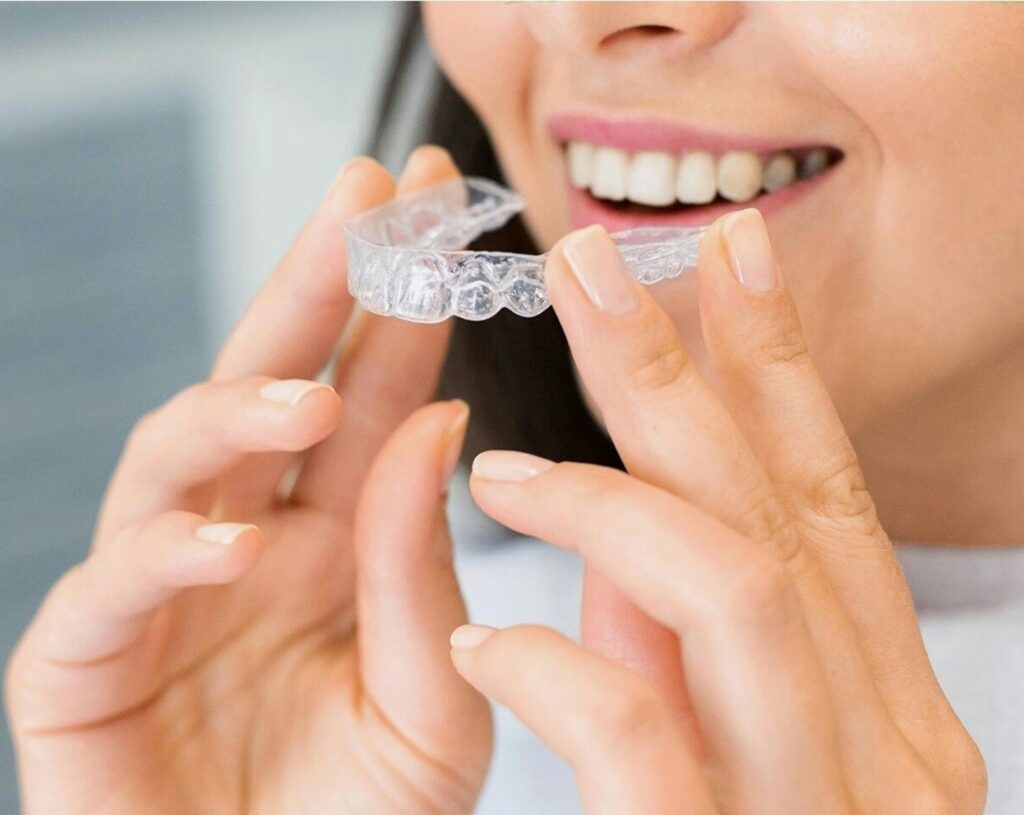
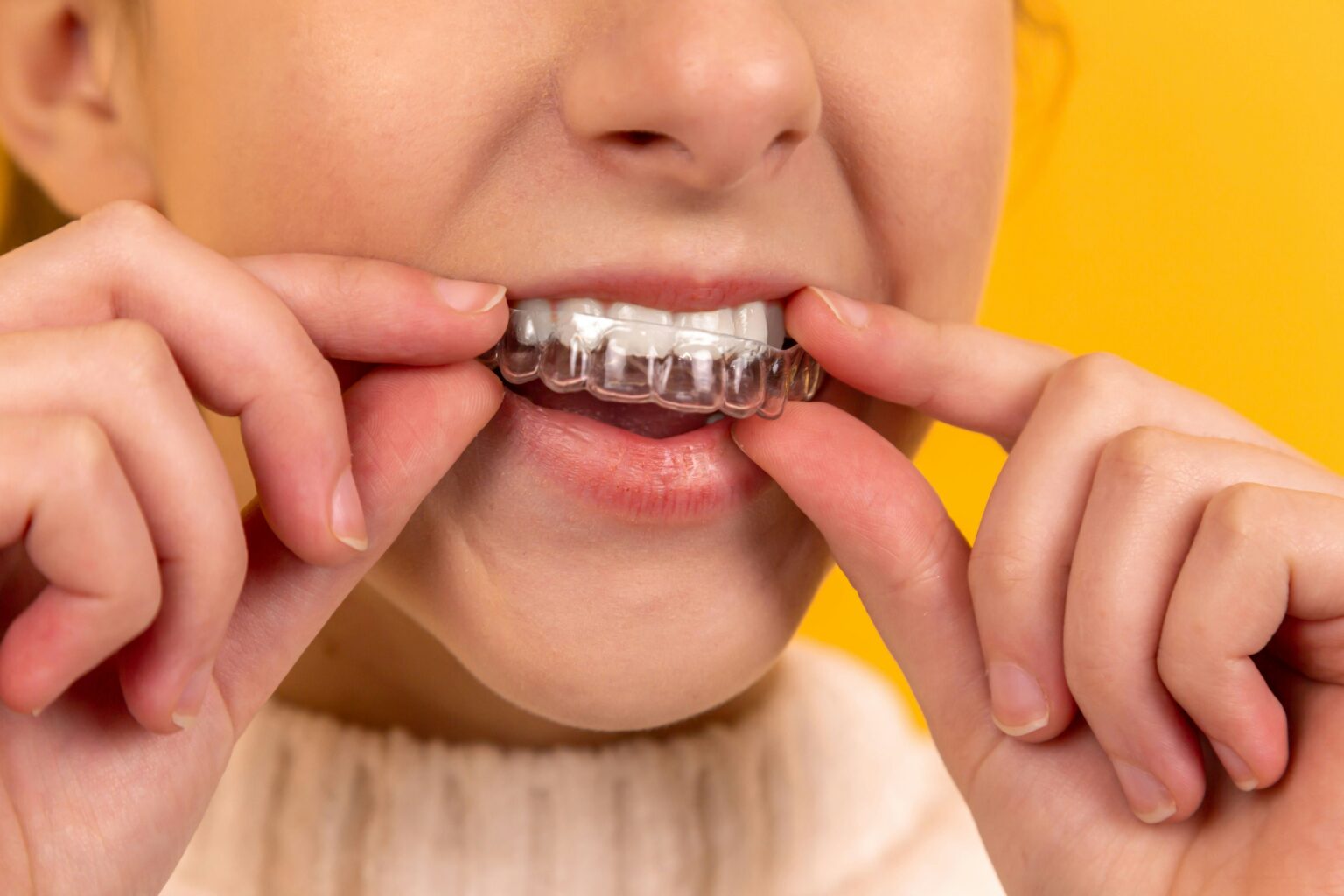

A straight smile changes more than photographs. It affects the way people bite into food, clean between teeth, pronounce certain sounds, and carry themselves in conversation. Orthodontic treatment has always aimed at those outcomes, but the path matters. Adults with demanding schedules, teens balancing school and sports, and professionals who spend their day speaking face to face often want results without the visual and practical drawbacks of metal braces.
That is where Invisalign Calabasas CA has earned serious attention. Clear aligner treatment is not a shortcut or a cosmetic gimmick. Used properly, it is a carefully planned orthodontic system that can correct many of the same problems people once assumed required brackets and wires. The difference is in how the treatment fits daily life, and in the kind of patient experience it creates from the first scan to the last retainer.
For anyone weighing options, the choice usually comes down to more than aesthetics. Comfort, predictability, maintenance, and local provider experience all matter. These seven reasons explain why so many patients in Calabasas choose Invisalign when they decide it is time to correct their smile.
1. The appearance of treatment is far easier to live with
The most obvious reason people ask about Invisalign is also one of the most legitimate. The aligners are clear, low-profile, and much less noticeable than traditional braces. That may sound like a cosmetic preference, but for many patients it carries real social and professional weight.
Adults often put off orthodontic care for years because they do not want a mouth full of brackets in meetings, presentations, or client-facing work. Teenagers may worry about school photos, dances, or simply the daily self-consciousness that can come with visible metal. Even patients who are not especially image-conscious tend to appreciate how discreet clear aligners feel during ordinary conversation.
The practical side of this is easy to underestimate until treatment starts. When someone is not preoccupied with how their smile looks during the correction process, they are usually more willing to stay consistent. Compliance matters with any orthodontic system. Invisalign depends on wearing the aligners for roughly 20 to 22 hours a day in many cases, so confidence in the look of the trays can support better follow-through.
Calabasas patients often lead active, public-facing lives. Some work in entertainment, hospitality, real estate, law, or wellness. Others simply spend much of their time around people and do not want orthodontic treatment to become the first thing anyone notices. Invisalign gives them a way to address crowding, spacing, or bite issues without feeling like their treatment announces itself.
2. Comfort tends to be better than patients expect
Traditional braces do their job well, but they come with a familiar set of irritations. Brackets can rub against the inside of the lips and cheeks. Wires can poke. Adjustments can leave teeth sore for several days. None of that makes braces a bad option, but it does influence quality of life.
Invisalign aligners are made from smooth plastic, custom-fitted to the teeth. Most patients still feel pressure when they switch to a new set, especially during the first day or two. That pressure is normal. Teeth need force to move. The difference is that the sensation is usually more controlled and less abrasive than metal hardware.
Patients often describe the first week as an adjustment period. Speech can feel slightly different at first, and there is a learning curve to removing and reinserting the trays. After that, the process usually settles into routine. From a comfort standpoint, many people find the treatment easier to tolerate than they anticipated.
This matters more than it first appears. Discomfort can reduce motivation. A patient who dreads every adjustment is more likely to become frustrated with treatment. A patient who can speak, eat, work, and sleep with only mild interruption is more likely to stay on track.
There are, of course, trade-offs. Invisalign is removable, which is an advantage, but it also means responsibility shifts more heavily onto the patient. If the aligners are left out too often, teeth do not move on schedule. Comfort alone cannot compensate for poor compliance. Still, when a case is appropriate for clear aligners and the patient is reliable, the day-to-day experience is often significantly gentler.
3. Eating and oral hygiene are much simpler
One of the least glamorous parts of orthodontic treatment is the maintenance. It is also one of the most important. A straighter smile loses some of its appeal if the path to get there leaves behind plaque buildup, inflamed gums, or white spot lesions.
This is one of the strongest reasons people choose Invisalign Calabasas CA. Because the aligners are removable, patients take them out to eat and drink anything besides water. There are no food restrictions in the usual sense. Crunchy bread, apples, salads, nuts, corn on the cob, and chewy foods are not off-limits in the way they often are with braces. That is a real advantage over treatment periods that can last 12 to 24 months, sometimes longer depending on complexity.
Oral hygiene is easier too. Patients brush and floss their teeth normally, then clean the aligners before putting them back in. With braces, brushing takes more time and flossing often requires extra tools or patience that can wear thin after several months. Many patients start with good intentions and slowly become less thorough. The result can be puffy gums and stubborn buildup around brackets.
With Invisalign, the barrier to keeping teeth clean is lower. That does not mean it is effortless. Patients still need discipline, especially after snacks, coffee, or late dinners. Putting aligners back onto teeth coated with sugar or acid is a bad habit. It can increase the risk of decay and trap residue against the enamel. But from a practical standpoint, removable aligners make healthy habits easier to maintain.
A local orthodontic team will usually give patients a straightforward routine to follow:
- Remove aligners before eating or drinking anything other than water.
- Brush teeth before putting the trays back in whenever possible.
- Clean the aligners daily with a gentle, dentist-approved method.
- Store trays in their case, not in a napkin or loose in a bag.
- Keep follow-up appointments so progress stays on schedule.
That routine sounds simple because it is. In practice, simplicity is what helps treatment stay manageable over time.
4. The planning process is highly precise and easy to visualize
One reason patients commit more confidently to Invisalign is that the treatment planning is tangible. Clear aligner therapy typically begins with digital scans, photographs, and bite records rather than old-fashioned putty impressions alone. Those records allow the provider to map tooth movement in a sequence of small, controlled stages.
For many patients, this is the moment treatment becomes real. Instead of hearing only a general explanation about straightening teeth, they can see a visual projection of how the smile is expected to change. That does not guarantee perfection or eliminate refinements later, but it helps people understand what is being corrected and why.
Precision matters especially in cases involving mild to moderate crowding, small gaps, narrow arches, rotation of certain teeth, or relapse after previous orthodontic work. A person who wore braces as a teenager and then stopped using retainers is a common example. Those cases often respond well to clear aligner treatment when planned carefully.
What deserves emphasis here is the provider’s judgment. The software is powerful, but it is not the orthodontist. Digital tools can simulate movement. They do not replace clinical experience in deciding whether a particular movement is realistic, whether attachments are needed, or whether the bite will finish properly. A good Invisalign provider in Calabasas is not simply pressing a button and handing over trays. They are staging movements, checking tracking, and making adjustments as treatment unfolds.
That distinction matters because not every case is equally straightforward. Teeth with large rotations, severe bite discrepancies, or significant skeletal issues may need a different approach, or a hybrid plan. Ethical providers say that plainly. Patients benefit when they receive a realistic assessment rather than a sales pitch.
5. It fits adult schedules and modern routines
Orthodontic treatment succeeds when it meshes with real life. This is where Invisalign often outperforms expectations. The visits are typically efficient, and in many cases they feel less disruptive than the adjustment schedule that accompanies braces.
A patient with a packed work calendar may not have much flexibility for long appointments. A parent juggling school pickup, activities, and their own job may need predictable visit windows. Someone who travels frequently may want a treatment system that allows them to move through several aligner stages without constant in-office changes. Clear aligners often support that level of convenience.
Calabasas is a community where time is often tightly managed. Patients may be commuting, running businesses, caring for family, or splitting time between neighborhoods and projects. Treatment that feels cumbersome can easily slide down the priority list. Invisalign, when organized well by the provider, tends to reduce friction.
There is also a psychological benefit to this convenience. Patients are more likely to complete treatment when the process does not repeatedly derail meals, work calls, social plans, or exercise. Small inconveniences compound over months. A system that respects routine has a better chance of staying sustainable.
That said, convenience is not the same as passivity. Invisalign requires active participation. A patient must remember to wear the trays, switch aligners on schedule, avoid losing them, and keep them clean. Invisalign Calabasas CA In-office time may be lighter, but at-home responsibility is higher. For many adults, that is a fair trade. They would rather manage a removable appliance carefully than accommodate fixed hardware every hour of the day.
6. Many common orthodontic concerns can be treated effectively
Some people still assume Invisalign is suitable only for very minor cosmetic tweaks. That used to be a more common limitation years ago. Today, clear aligners can often address a much wider range of concerns when the case is selected and managed properly.
Patients frequently seek treatment for issues such as crowding in the lower front teeth, spacing between upper incisors, bite irregularities like overbite or crossbite in milder forms, and post-braces relapse. In many of these scenarios, Invisalign can be highly effective. Attachments, elastics, and staged movement patterns expand what the system can accomplish.
This does not mean every smile is best treated with aligners. A severely complex case may still be better handled with braces, or with a more involved orthodontic plan. But the gap between what clear aligners and braces can treat has narrowed significantly.
A useful way to think about candidacy is to focus less on the brand and more on the biology and biomechanics involved. Teeth do not move simply because trays are clear. They move because forces are applied in a controlled sequence, roots are guided carefully through bone, and the bite is monitored throughout the process. Invisalign can do that very well in the right hands.
Here are a few examples of patients who often ask whether aligners are a good fit:
- Adults whose teeth shifted years after braces
- Teens with mild to moderate crowding who want a discreet option
- Professionals who speak publicly and want minimal visual impact
- Patients with spacing concerns that affect smile symmetry
- People committed to wearing trays as instructed every day
Those examples are not promises. They are starting points for a proper evaluation. The value of a consultation is not just hearing yes or no, but understanding why.
7. Local expertise in Calabasas can make the difference between good and great results
The final reason is the one patients sometimes overlook at first: the quality of the provider matters at least as much as the appliance itself. Choosing Invisalign Calabasas CA is not only about choosing clear aligners. It is about choosing a clinician who understands facial balance, bite function, tracking issues, retention, and the subtle finishing details that separate an acceptable result from an excellent one.
Orthodontic treatment is full of small decisions. Should a tooth be moved first or later? Is the projected timeline realistic? Are attachments positioned in a way that will actually produce the intended movement? Is the patient tracking well, or are refinements needed before the discrepancy grows? None of that is solved by marketing language. It is solved by training, careful monitoring, and experience with real patients.
Local providers also bring context. They understand the expectations of the patient population they serve. Some patients are focused on subtle cosmetic refinement. Others care most about correcting crowding that makes flossing difficult. Some want the shortest feasible timeline for an event like a wedding, graduation, or major career milestone. A skilled provider balances those goals against biology and long-term stability.
Retention is another point where experience shows. Teeth have memory. Once active treatment ends, retainers are not optional if the patient wants to preserve the result. A good orthodontic office explains that clearly and builds a retention plan that patients can actually follow. Too many relapses happen not because treatment failed, but because retention was treated as an afterthought.
Patients who choose carefully often notice the difference in smaller moments. They are shown how to seat aligners properly. They receive clear guidance when trays feel tight or one tooth appears not to be tracking. Their concerns are taken seriously rather than brushed aside with generic reassurance. That level of detail creates confidence, and confidence helps treatment go smoothly.
When Invisalign is the right choice, and when it may not be
The strongest case for Invisalign is not that it is always better than braces. It is that it is often better for the right patient, in the right case, under the right supervision.
A reliable candidate usually values discretion, is willing to wear aligners consistently, and wants a treatment process that interferes less with eating and hygiene. That patient tends to do very well. On the other hand, someone who frequently misplaces things, snacks all day without brushing, or knows they will not wear trays as directed may be better served by a fixed system.
There are also clinical limits. Severe skeletal discrepancies, significant vertical bite issues, or certain complex rotations may call for another approach. Sometimes the honest answer is that Invisalign can handle part of the problem, but braces would likely provide better control. Good orthodontic advice is rarely absolute. It is nuanced, case specific, and grounded in what will produce the healthiest, most stable result.
That nuance is reassuring, not discouraging. It means the treatment recommendation is being built around the patient, not around a one-size-fits-all preference.
The bigger picture behind smile correction
People often start orthodontic treatment because they dislike the appearance of crooked teeth. That is understandable, and there is nothing superficial about wanting to smile more comfortably. But aesthetics are rarely the whole story.
When teeth are crowded, flossing can be difficult. When bites do not meet properly, uneven wear can develop over time. When front teeth protrude or overlap, even small chips and edge damage Invisalign Calabasas CA Oaks Dental can become more likely. A well-planned correction can improve function, support gum health, and make long-term maintenance easier.
That is why Invisalign continues to appeal to so many patients in Calabasas. It combines cosmetic discretion with practical orthodontic value. It asks for discipline, but it often rewards that discipline with a smoother treatment experience, fewer day-to-day frustrations, and results that feel both visible and meaningful.
For patients ready to address crowding, spacing, or a bite issue they have lived with for years, the right consultation can clarify a lot quickly. If the case is suitable, Invisalign offers a path that respects both the science of tooth movement and the realities of modern life. For many people, that balance is exactly what makes the decision feel right.
Oaks Dental
5000 Parkway Calabasas, Suite 308
Calabasas, CA 91302
(818) 643-6521
FAQ About Invisalign Calabasas CA
How many hours a day should I wear Invisalign?
Clear aligners are typically worn for 20 to 22 hours a day. Follow your dentist’s instructions for your specific treatment plan.
What age is best for Invisalign?
Many teens and adults can use clear aligners. A dentist can assess dental development, oral health, and the type of tooth movement needed.
What affects the cost of Invisalign in California?
Cost depends on the complexity and length of treatment and what the quoted plan includes. Ask for an itemized estimate and check any orthodontic coverage with your insurer.